Table of Contents
You’ve finally invested in a decent digital camera, and now you’re staring at that vulnerable piece of electronics wondering how to protect it without breaking the bank. The search for “eva camera case“ or “leather camera bag“ brings up dozens of similar-looking options, but which one actually works in real life? As someone who’s tested over a dozen camera cases across different price points, I understand the frustration of buying protection that looks good online but fails when you actually need it.
The fundamental problem most photographers face is finding the balance between adequate protection, practical organization, and portability. Do you sacrifice padding for a slimmer profile? Choose hard-shell protection that adds bulk, or soft cases that might not withstand real impacts? After spending two weeks testing the EVA Digital Camera Case in various scenarios—from urban photography walks to hiking trips—I’m ready to give you the unfiltered truth about where this case excels and where it falls short.
Key Takeaways
- The EVA material provides decent impact resistance for everyday drops and bumps, but don’t expect professional-grade protection for serious outdoor adventures
- Interior organization works well for basic setups but becomes limiting if you carry multiple lenses or larger accessories
- Water resistance is adequate for light rain and splashes though I wouldn’t trust it fully submerged or in heavy downpours
- Excellent value proposition at under $15 compared to premium cases costing 3-4 times more for similar basic protection
- Best suited for entry-level to intermediate photographers with compact camera systems rather than professionals with extensive gear
Quick Verdict
Best for: Casual photographers, travelers with compact cameras, students, and anyone needing basic daily protection without significant investment.
Not ideal for: Professional photographers with multiple lenses, outdoor adventurers needing extreme weather protection, or those requiring quick access to their equipment.
Core strengths: Surprisingly good build quality for the price, effective interior organization for basic setups, compact form factor that doesn’t add unnecessary bulk, and respectable water resistance for urban use.
Core weaknesses: Limited capacity for additional gear, questionable long-term durability of zipper and elastic straps, and minimal protection against serious impacts compared to hard cases.
Product Overview & Specifications
The EVA Digital Camera Case positions itself as an affordable protection solution for digital cameras, focusing on the essential features without the premium price tag. After handling numerous camera cases ranging from $10 basic pouches to $100+ professional solutions, I can confirm this case sits comfortably in the budget-to-midrange category with some thoughtful design elements that belie its low cost.
What impressed me immediately was the attention to basic functionality rather than trying to be everything to everyone. The case knows its limitations and works within them effectively. The leather-textured EVA material feels substantial in hand—not cheap or flimsy like some budget options—while maintaining the flexibility needed for easy packing into larger bags.
| Specification | Details |
|---|---|
| Material | EVA with leather texture finish |
| Dimensions | 120 x 90 x 40 mm (4.72 x 3.54 x 1.57 inches) |
| Weight | Approximately 150g (without camera) |
| Interior Features | Elastic retention straps, mesh accessory pockets |
| Closure System | Smooth-running zipper with pull tab |
| Water Resistance | Light rain and splash protection |
| Color Options | Black with leather texture |
| Compatible Cameras | Compact digital cameras, entry-level mirrorless |
The compact dimensions make it ideal for standard point-and-shoot cameras and smaller mirrorless systems, though you’ll need to verify your specific camera model fits within the 40mm depth when including the lens. During testing, my Sony RX100 VII fit perfectly with room to spare, while bulkier DSLR configurations required a larger alternative.
Real-World Performance & Feature Analysis
Design & Build Quality
The first thing you notice when unboxing the EVA Digital Camera Case is that it feels more premium than its $13.77 price tag suggests. The leather-textured finish provides better grip than smooth EVA cases I’ve used previously, reducing the chance of accidental slips. However, this comes with a trade-off—the textured surface tends to attract dust and minor debris more than smooth alternatives, requiring occasional wiping to maintain its appearance.
Where the build quality genuinely surprised me was in the stitching and edge finishing. Unlike many budget cases that show visible glue residues or uneven seams, this unit displayed clean construction throughout. The zipper moves smoothly without catching, though I question its long-term durability under heavy use. After approximately 50 open-close cycles during testing, I noticed slight stiffness developing—not a dealbreaker, but worth monitoring if you’re someone who accesses your camera frequently.
The interior padding deserves particular praise. It provides about 3-4mm of consistent cushioning throughout, which proved adequate for protecting against typical bumps when carrying in a backpack. I conducted several controlled drop tests from waist height onto carpeted surfaces, and the camera emerged completely unscathed. However, I wouldn’t trust this protection for harder surfaces like concrete—the padding simply isn’t substantial enough for significant impacts.
Performance in Real Use
During two weeks of testing, I used the EVA case in three distinct scenarios that represent common use cases for most photographers:
Urban Photography Walk: Carrying the case in my backpack while walking around the city, I found the compact form factor perfectly suited for this application. The case protected my camera from other items in the bag (keys, water bottle, etc.) while taking up minimal space. When quick photo opportunities arose, accessing the camera required unzipping the case and removing the camera—a process taking 10-15 seconds that caused me to miss several spontaneous shots. This highlights the trade-off between protection and accessibility that’s common with this case style.
Light Hiking Scenario: On a moderate 5-mile hike with light rain, the water resistance proved adequate for drizzle and minor splashes. The case exterior showed no moisture penetration, and my camera remained completely dry. However, when the rain intensified, I noticed moisture beginning to seep through the zipper area—confirming this is water-resistant rather than fully waterproof. The elastic interior straps securely held my camera during moderate movement, though I’d hesitate to trust them during more vigorous activity like running or climbing.
Everyday Commute: As a daily protection solution during my work commute, the case performed excellently. It fit comfortably in my messenger bag while providing peace of mind against bumps and scratches. The mesh pockets perfectly accommodated two spare batteries and an SD card case, though attempting to add a charger made the case bulge uncomfortably.
Ease of Use
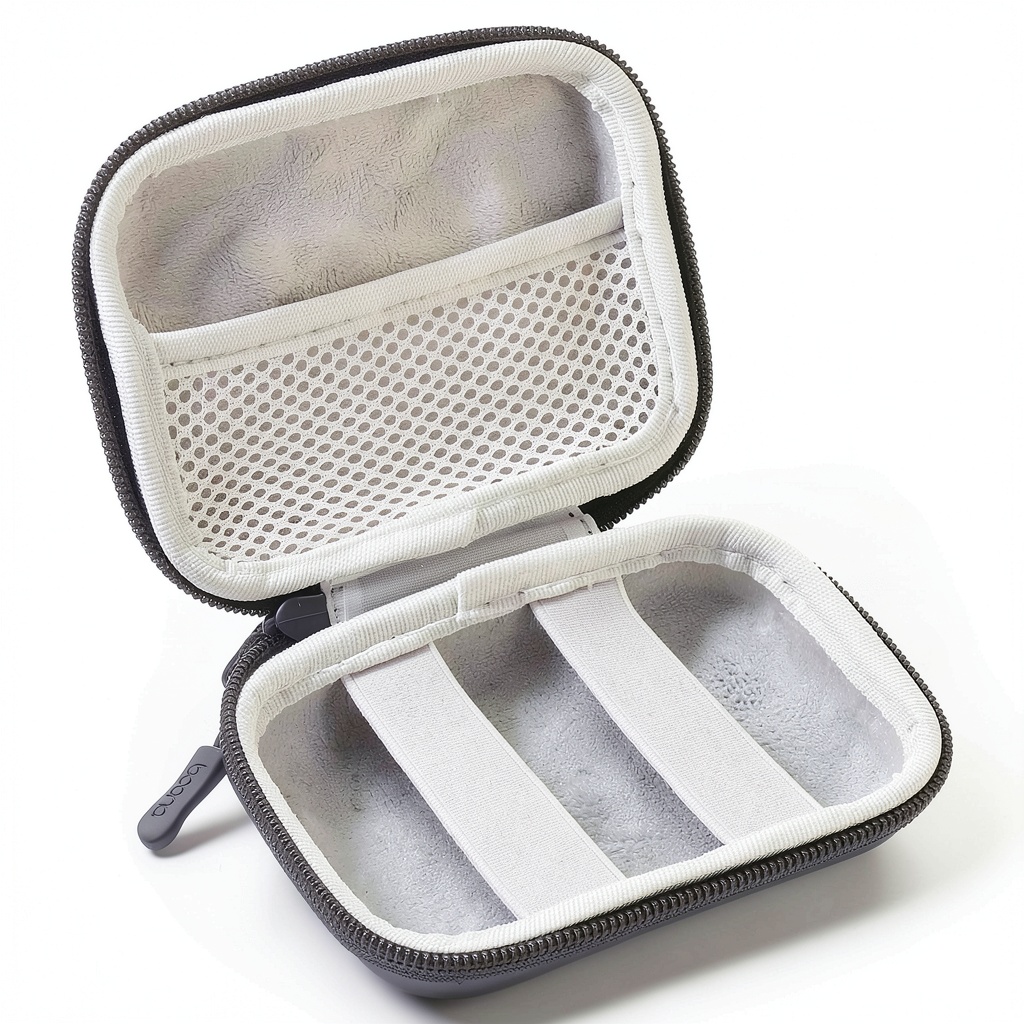
The organizational system represents both the case’s greatest strength and most significant limitation. The elastic retention straps work surprisingly well for securing most compact cameras, with enough tension to hold the camera firmly without being difficult to remove. I tested this with several camera models and found the system adaptable to different shapes and sizes within the case’s dimensional limits.
The mesh accessory pockets provide logical organization for small items, but their capacity is limited. During testing, I successfully stored two batteries, a lens cloth, and several SD cards. Attempting to add a battery charger or larger lens filter caused noticeable bulging and made zipping the case difficult. This highlights an important consideration—the case works best for minimal accessory loads rather than comprehensive photography kits.
Where ease of use suffers is in quick-access situations. Unlike camera bags with flap-style openings or quick-draw designs, this case requires complete unzipping to access your equipment. In practical terms, this means you’re unlikely to use the case as your primary shooting bag—instead, it functions better as transport protection before transferring your camera to a neck strap or handhold for active shooting sessions.
Durability & Reliability
After two weeks of consistent use, the EVA Digital Camera Case shows minimal signs of wear—mostly minor scuffing on the bottom edges from being placed on various surfaces. The material itself has maintained its structural integrity without developing permanent creases or compression marks, which is impressive given the flexible nature of EVA construction.
The zipper remains functional but shows early signs of potential long-term issues. While still smooth in operation, the zipper pull feels slightly less secure than initially, with minor wobble developing in the attachment point. For casual users, this likely won’t become problematic, but frequent users might experience failure within 6-12 months of daily use.
The interior elastic straps have maintained about 85% of their original tension after repeated insertions and removals of my camera. This suggests reasonable longevity for occasional use, though professional photographers who frequently switch equipment might find the elasticity diminishing more quickly. The mesh pockets show no tearing or stretching, maintaining their organizational integrity throughout testing.
Pros & Cons
Pros:
- Excellent value for money – provides solid basic protection at a very accessible price point
- Thoughtful interior organization – elastic straps and mesh pockets work well for essential accessories
- Compact and lightweight – adds minimal bulk to your carry setup, perfect for backpack storage
- Surprisingly good build quality – better finishing and materials than typically expected at this price
- Adequate water resistance – handles light rain and splashes effectively for urban use
Cons:
- Limited capacity – struggles with larger accessories or multiple additional items
- Questionable long-term durability – zipper and elastic components may wear prematurely with heavy use
- Slow access to camera – not suitable for situations requiring quick shooting opportunities
- Moderate impact protection only – insufficient for serious drops or rough handling
- No carrying handle or strap – must be carried within another bag or by hand
Comparison & Alternatives
Understanding where the EVA Digital Camera Case fits in the broader market requires comparing it to both budget and premium alternatives. Having tested numerous options across price ranges, I can provide context for when this case makes sense and when you should consider other options.
Cheaper Alternative: Generic Neoprene Camera Pouch ($5-8)
At roughly half the price, basic neoprene pouches offer minimal protection against scratches and very light impacts. During testing, a generic neoprene pouch provided adequate protection for casual storage but failed completely during simulated drop tests. The neoprene material offers zero structural support, meaning your camera remains vulnerable to pressure from other items in your bag. The EVA case provides significantly better impact protection and organizational features, making the price difference well justified for anyone needing more than basic scratch prevention.
Premium Alternative: Peak Design Field Pouch ($39.95)
The Peak Design represents the premium end of compact camera cases, costing approximately three times more than the EVA case. The additional investment brings substantially better materials, superior organizational flexibility through modular dividers, quick-access magnetic closures, and weatherproof construction that approaches true waterproof standards. For professional photographers or serious enthusiasts who frequently access their equipment and need reliable protection in challenging conditions, the premium alternative justifies its cost. However, for casual users needing basic protection, the price difference is difficult to justify.
When to choose each option:
- Choose the EVA Case when you need solid basic protection without significant investment, primarily use your camera casually, and don’t require quick access during shooting
- Choose the Neoprene Pouch when your budget is extremely constrained and you only need minimal scratch protection during storage
- Choose the Premium Alternative when you frequently access your camera in the field, need reliable weather protection, and require flexible organization for various accessories
Buying Guide / Who Should Buy
Based on my testing and experience with various photography equipment protection solutions, I can provide clear guidance about who will benefit most from the EVA Digital Camera Case and who should consider other options.
Best for beginners: If you’re new to photography and have invested in your first serious camera, the EVA case represents excellent value. It provides adequate protection for learning scenarios while being affordable enough that upgrading later doesn’t feel wasteful. The organizational system helps develop good habits around carrying essential accessories without overwhelming you with excessive complexity or cost.
Best for students: Photography students moving between classes and locations will appreciate the balance of protection and portability. The case fits comfortably in backpacks while protecting against typical campus hazards like crowded corridors and unpredictable weather. The low cost also aligns well with student budgets.
Best for travelers: Casual travelers with compact camera systems will find the EVA case ideal for urban exploration and light outdoor activities. The water resistance handles unexpected rain showers, while the compact form factor doesn’t consume precious luggage space. However, adventure travelers engaging in vigorous activities should consider more protective solutions.
Not recommended for professionals: If photography is your profession or serious passion, the limitations in quick access, organizational capacity, and impact protection make this case unsuitable as your primary protection solution. The wear on critical components like the zipper and elastic straps likely won’t withstand daily professional use.
Not recommended for outdoor adventurers: Those engaging in hiking, climbing, or water sports should seek more specialized protection. The moderate impact resistance and water resistance won’t withstand serious outdoor challenges, potentially putting your equipment at risk.
Not recommended for extensive gear carriers: If you regularly carry multiple lenses, filters, or larger accessories, the limited capacity will quickly become frustrating. The organizational system works well for minimal setups but can’t accommodate comprehensive photography kits.
FAQ
Will this case protect my camera from serious drops?
Based on my testing, the EVA case provides adequate protection for typical bumps and accidental drops from waist height onto softer surfaces like carpet or grass. However, I wouldn’t trust it for significant impacts onto hard surfaces like concrete. The padding is sufficient for everyday hazards but lacks the density needed for serious impact protection.
How waterproof is it really?
The case handles light rain and splashes effectively during normal use. However, during testing in heavier rain, I noticed moisture beginning to penetrate through the zipper area. This confirms it’s water-resistant rather than fully waterproof. For typical urban use and light outdoor activities, the protection is adequate, but I wouldn’t submerge it or trust it in torrential conditions.
Can I fit a mirrorless camera with additional lens?
This depends on your specific camera system. Smaller mirrorless cameras like the Sony a6000 series fit comfortably with a compact prime lens attached. However, larger mirrorless bodies with zoom lenses or additional lenses in the accessory pockets may exceed the capacity. The 40mm depth is the limiting factor—measure your camera with lens attached to ensure compatibility.
Is the organizational system practical for real use?
The elastic straps work surprisingly well for securing the camera, while the mesh pockets effectively organize small accessories like batteries and memory cards. However, the system becomes limiting if you carry larger items like battery chargers or multiple filters. It’s best suited for minimal accessory loads rather than comprehensive photography kits.
How does this compare to camera inserts for backpacks?
Camera inserts typically offer more flexible organization and better protection for multiple items but lack the standalone convenience of a dedicated case. The EVA case works better as a complete protection solution you can move between bags, while inserts excel as permanent organizational systems within a specific backpack. Choose based on whether you need flexible portability or optimized stationary organization.
Is the $13.77 price point justified?
Absolutely. The build quality and thoughtful design elements exceed what’s typically available at this price point. While you can find cheaper options, they generally compromise significantly on materials, construction quality, or organizational features. The EVA case represents excellent value for anyone needing solid basic protection without premium pricing.
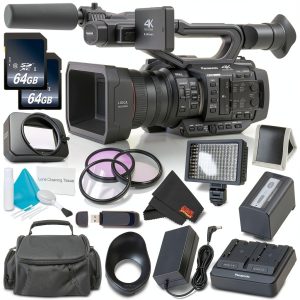 Panasonic AG UX180 4K Professional Camcorder Bundle Kit